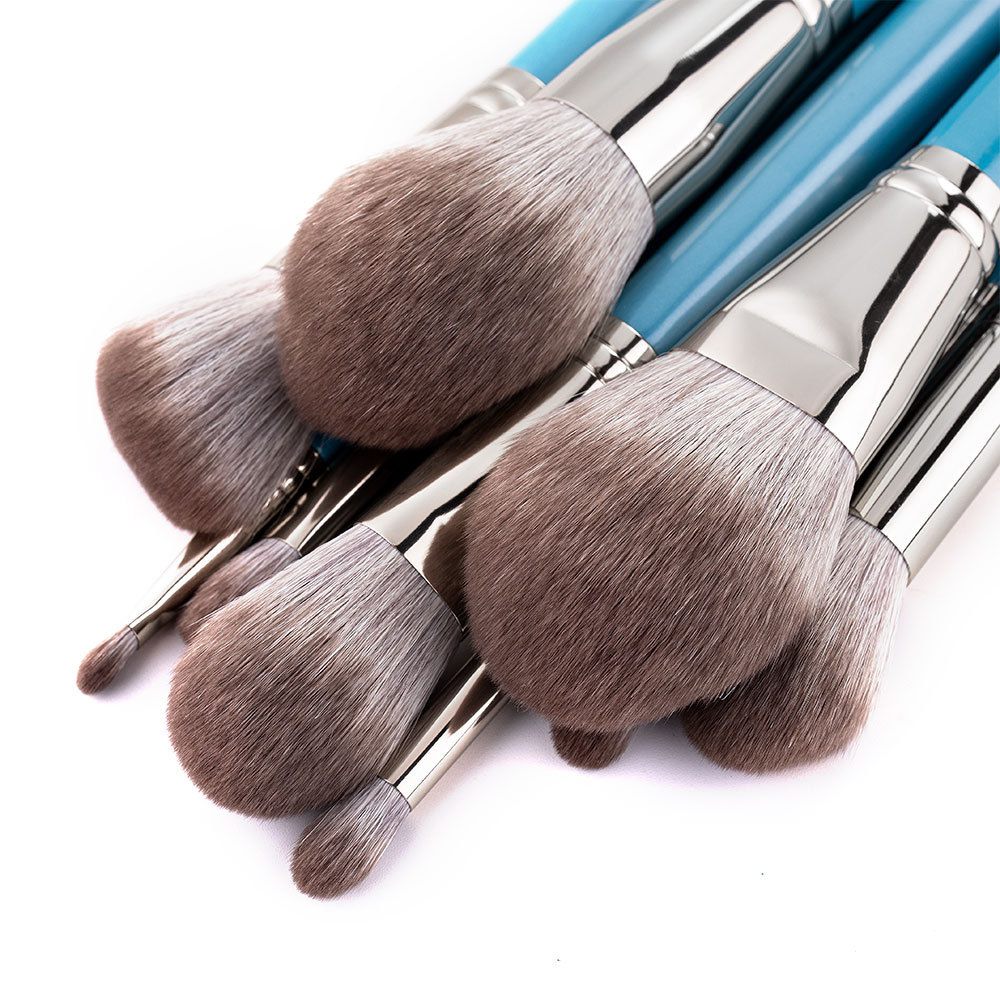
India’s Make in India Initiative: Local Brush Factories Increase Synthetic Bristle Production by 30%
Make in India Initiative Spurs 30% Growth in Synthetic Bristle Production for India’s Local Brush Factories
India’s “Make in India” initiative, launched in 2014 to boost domestic manufacturing and reduce import dependency, has yielded tangible results in the cosmetic brush industry: local factories reported a 30% year-on-year increase in synthetic bristle production in 2023, according to recent data from the All India Brush Manufacturers Association (AIBMA). This surge marks a significant milestone for the country’s emerging role in global bristle supply chains, driven by policy support, rising demand, and technological advancements.
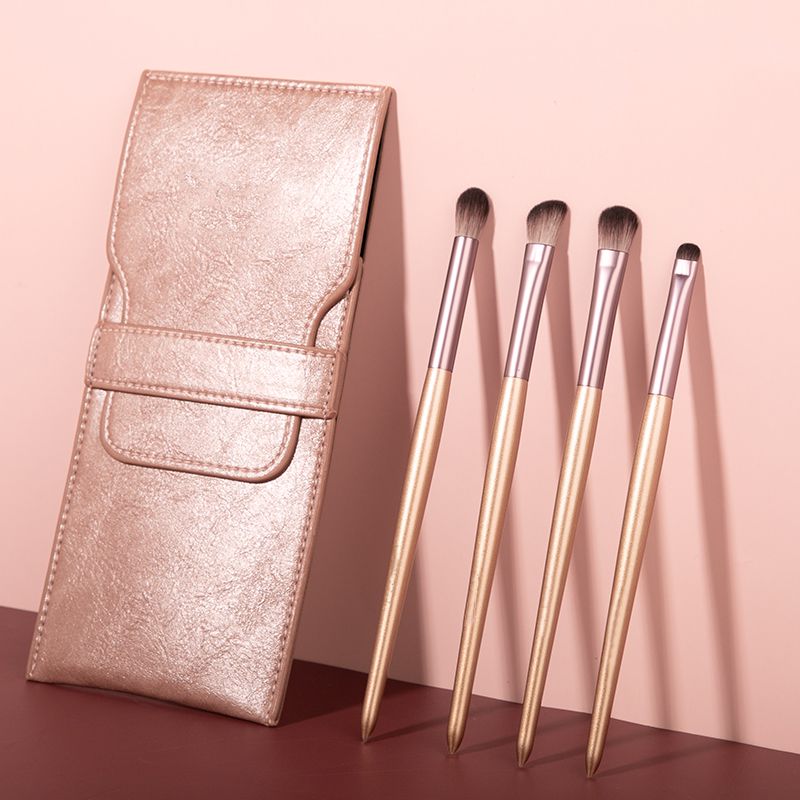
The growth trajectory aligns with the initiative’s core goals. Over the past five years, the Indian government has rolled out targeted incentives for manufacturing units, including tax breaks on machinery imports, low-interest loans for small and medium enterprises (SMEs), and streamlined regulatory clearances. For brush factories, these measures have lowered operational costs, enabling investments in production capacity. “Previously, we relied heavily on imported synthetic bristles, especially from China, which accounted for 70% of our raw material needs,” says Rajesh Patel, CEO of Mumbai-based Elegant Brushes Pvt. Ltd. “Today, with government subsidies covering 30% of our new automated production line, we’ve doubled local bristle output and cut import reliance to 40%.”
Market demand has been equally pivotal. India’s cosmetics sector, valued at $25 billion in 2023 (up 12% YoY, per ICMA), has seen makeup brushes emerge as a high-growth category, driven by a young, beauty-conscious population and the rise of social media influencers. Internationally, brands are also diversifying supply chains post-pandemic, with India gaining traction as a cost-effective alternative. “Global buyers now prioritize regions with stable policies and scalable production,” notes Ananya Mehta, trade analyst at Deloitte India. “India’s 30% bristle growth signals reliability, making it a key contender in the $1.2 billion global synthetic bristle market.”
Technological upgrades have further elevated quality. Local factories are adopting precision extrusion machines and AI-powered quality control systems, enhancing bristle softness, durability, and consistency—traits critical for premium cosmetic brushes. “Our synthetic bristles now meet EU REACH standards, opening doors to exports in Europe and the Middle East,” adds Patel. Exports of Indian-made bristles rose 22% in 2023, with orders from brands like L’Oréal and Nykaa Beauty contributing significantly.

The ripple effects extend beyond production. Reduced import dependency has saved an estimated $45 million in foreign exchange annually, while factory expansions have created 8,000+ jobs in states like Gujarat and Tamil Nadu. Upstream, local suppliers of nylon pellets (a key raw material) have also grown, with domestic procurement of raw materials rising from 55% to 78% since 2020, fostering a self-sustaining ecosystem.
Looking ahead, industry experts project continued growth. The government’s plan to establish “Brush Manufacturing Hubs” in Uttar Pradesh and Karnataka—offering infrastructure support and skill development programs—aims to push synthetic bristle production to a 45% increase by 2025. With global demand for cruelty-free, synthetic alternatives to animal hair on the rise, India’s bristle manufacturers are poised to capitalize, turning “Make in India” from a policy into a global competitive edge.